A roof usually gives warning signs long before it fails. Many homeowners miss them because they happen slowly, or because they show up on parts of the house that are hard to see. Knowing the common signs helps you decide when to bring in a roofing contractor for an inspection. If you spot any of them, call Johnson’s Roofing at
(417) 834-5050 to
schedule a visit.
Missing, Cracked, or Curling Shingles
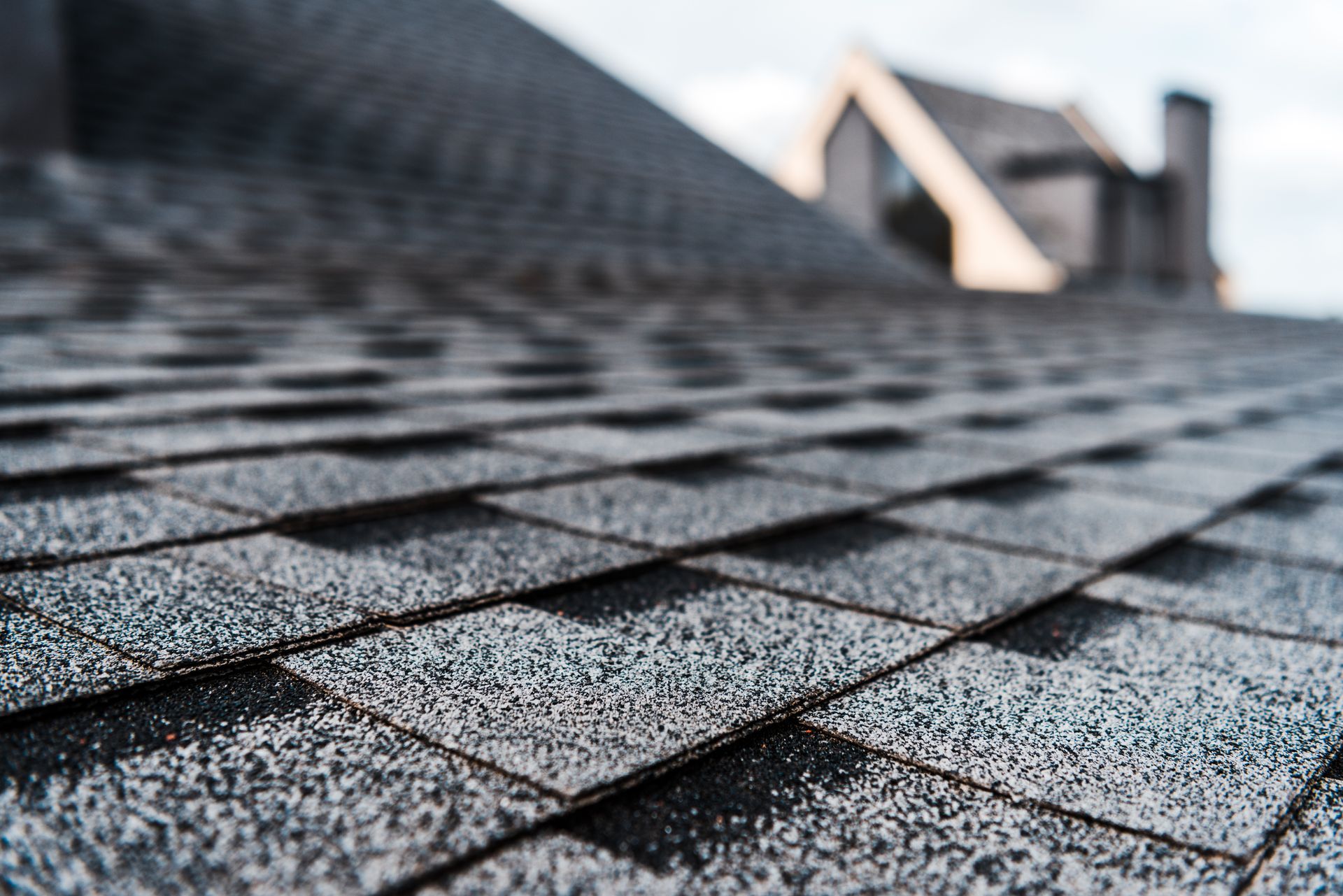
Shingles that are missing, cracked, or curling at the edges are an early sign of wear. Loose shingles let water reach the underlayment and decking below. Check the roof after strong winds, since wind can lift and break shingles quickly.
Bare patches or dark streaks can also point to aging materials. A roofer can tell whether a few shingles need replacement or whether the surface is nearing the end of its life.
Granules in the Gutters
Asphalt shingles shed small granules as they age. A small amount is normal, but heavy buildup in gutters or at downspout outlets can signal that the protective surface is wearing away. Check the gutters after a storm and look for grit that collects near the downspouts.
Granule loss makes shingles more vulnerable to sun and water. It is one of the signs that a roof may need a professional inspection.
Dents from Hail
Hail can dent gutters, downspouts, vent covers, and metal flashing even when the shingles look intact. Dents on soft metal parts around the home often suggest that the roof experienced strong impacts. Photos taken soon after the storm are useful when you talk to a contractor.
Hail damage on the roof itself is often hard to see from the ground. A close inspection can reveal bruised shingles, cracked mats, and exposed asphalt.
Stains and Water Signs Inside
Water stains on ceilings, peeling paint near exterior walls, and damp insulation in the attic all point to a roof leak. Stains may appear after rain, or they may grow slowly over time. Water can also cause musty odors and soft drywall.
Do not wait for a stain to grow. Water that reaches the attic can damage framing and insulation before the leak is obvious inside the home.
Sagging, Soft Spots, and Flashing Problems
A sagging roofline or a soft area underfoot can mean the decking below has been damaged. Sagging needs prompt professional attention, since weakened structure can be unsafe. Flashing around chimneys, vents, and skylights is another common leak source. Cracked sealant or lifted metal around these areas often lets water in.
Daylight and Moisture in the Attic
Daylight visible through roof boards, dark spots on the underside of the decking, and condensation during cold weather can point to ventilation or sealing problems. Poor attic ventilation traps heat and moisture, which can warp decking and curl shingles from below.
A contractor can check intake and exhaust vents and recommend changes that protect the roof from the inside.
When to Call for an Inspection
Schedule an inspection when you notice any of these signs, especially after a storm. A prompt assessment helps you plan repairs before a small problem grows into a major one. Keep photos and notes so the contractor can see when each sign first appeared.
Homeowners who are unsure whether a sign is serious can still request a visit. A professional can explain what the signs mean and which repairs are urgent.
Check the Roof After Every Big Storm
A storm check is one of the most useful habits a homeowner can build. Walk around the property the day after a strong wind or hail event, and look at gutters, siding, fences, and vents. Damage on those surfaces often points to similar damage on the roof.
If you find signs of impact, a roofing contractor can confirm whether the roof needs repair or replacement. Early inspections help you act before a small leak becomes a costly interior repair.
Keep a Simple Roof Log
A roof log helps you track changes over time. Write down the date of each storm, any new stains or granules, and the photos you took. Keep the log with your home records so you can share it with a contractor or insurance adjuster.
Patterns are easier to spot when the notes are dated. A log can also show whether a problem is growing or staying the same.
Share your log and photos with the roofing contractor during the first visit. Clear records help the inspector focus on the areas that changed since your last check. They can also help you track whether a repair completed earlier is holding up over time.
Pay attention to how signs change from one season to the next. Spring often reveals storm damage, while late summer heat can show aging sealant and shingle wear. Fall and winter can expose leaks that were hidden during dry months. A seasonal look at the roof helps you catch problems at the right time and gives a roofing contractor a clearer picture during an inspection.
Talk to Johnson’s Roofing About Warning Signs
Johnson’s Roofing can inspect shingles, flashing, gutters, decking, and attic ventilation to identify the source of a problem. Use the
contact page
to request an inspection, or review the
emergency roofing contractor page for urgent situations. You can find us on
Google Maps or business details and location information.