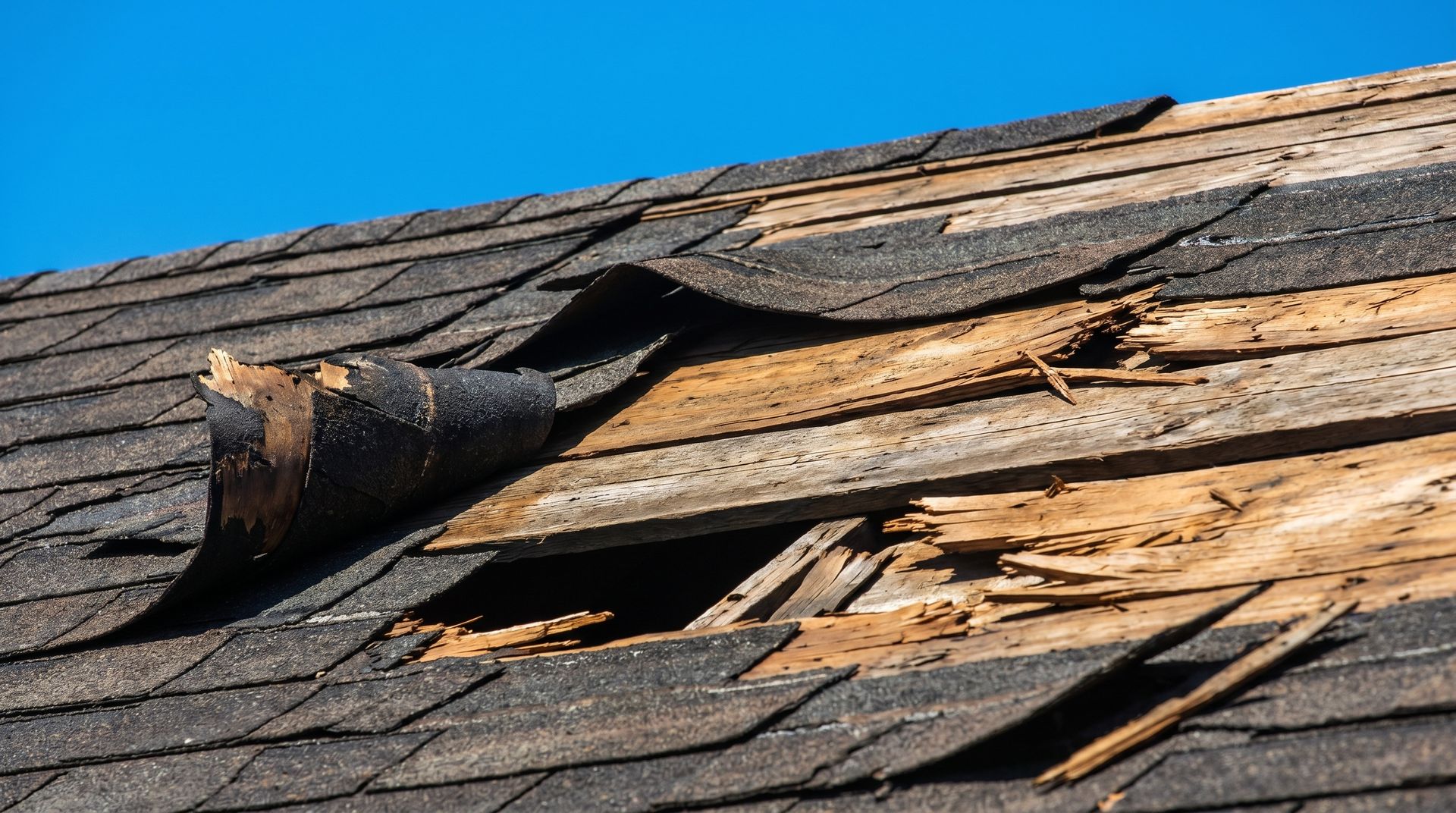
Hail is a common cause of roof damage in Springfield, MO. Knowing how the claim process works can help you protect your home and your claim.
This guide explains what happens after a hail storm. It also covers what an adjuster looks for and how a roofing service contractor can help you document the damage. Whether the storm hit Grant Beach, Galloway, or the Battlefield Road area, the first few days matter.
Why Hail Claims Are Common in Springfield, MO
Springfield sits in Greene County, an area of Missouri that sees frequent hail. Storms are most common from April through June. One strong storm can damage thousands of roofs across southwest Missouri in just a few days.
Knowing the process ahead of time can help you move through it with less stress.
How Does a Hail Damage Insurance Claim Work?
A hail claim starts when you report possible damage to your insurance company. Most homeowners policies cover sudden damage from hail and wind. They usually do not cover slow wear or damage that was there before the storm.
Here is how the process usually works:
- You notify your insurer and open a claim.
- The insurer assigns an adjuster to inspect your property.
- The adjuster evaluates the roof and prepares a scope of loss.
- The insurer reviews the scope and issues a coverage decision.
- The repair or replacement is completed, often with a roofing service contractor working alongside the adjuster.
No outcome is guaranteed. Approval depends on your policy, the adjuster's findings, and proof of storm damage.
What an Adjuster Looks for on a Springfield Roof
Adjusters look for damage that fits a hail storm instead of age or wear. Here is what they check on common roof types.
Asphalt Shingles
Adjusters look for round bruises where the rough coating on the shingle has come off. This exposes the layer underneath.
Metal Roofing
On metal roofs, adjusters look for dents in a pattern that matches hailstone impact.
Other Parts of the Roof
Adjusters also check these areas for hail marks:
- Gutters and downspouts for dents and shingle pieces.
- Flashing around chimneys and vents for impact marks.
- Soffit and fascia, the trim under and along the roof edge, for even denting.
Much of this damage is hard to see from the ground. That is why an inspection by a trained roofing service contractor matters.
What Documentation Helps Support Your Claim
Good records make your claim easier to review. These items help the most.
Photos and Video Taken Promptly
Take photos and video as soon as it is safe after the storm. Be sure to capture these:
- The whole roof from a safe spot on the ground.
- Close-ups of damage on single shingles.
- Shingle pieces collecting in your gutters.
- Water stains inside your home.
Date and time stamps from your phone help show a timeline that matches the storm.
Weather Records for Your Address
Adjusters often compare claims with weather data for your location and date. Note when the storm passed through your Springfield neighborhood. Local news coverage can also support your timeline.
A Professional Roof Inspection Report
A written report from a licensed roofing contractor is one of the most useful documents you can submit. A good report does the following:
- Documents damage one roof slope at a time.
- Explains the findings in plain language.
- Notes whether the damage pattern fits hail.
This gives adjusters a clear picture before they arrive. It also helps make sure no area is missed.
Temporary Repairs
If the storm left openings in your roof, a contractor may place a temporary cover to stop water from getting in. Keep receipts and photos of this work. Some policies require it.
Mistakes to Avoid After a Hail Storm
A few simple missteps can slow down or weaken a claim. Try to avoid these:
- Waiting too long to report the damage to your insurer.
- Climbing on a damaged roof yourself, which can be unsafe.
- Throwing away damaged materials before they are documented.
- Signing a repair contract before you understand your coverage.
- Skipping the inspection because the roof looks fine from the ground.
Taking a little time to avoid these mistakes can save you stress later.
How a Contractor's Documentation Supports Your Case
A roofing service contractor who understands the claim process can bridge the gap between what you saw and what the adjuster needs to see. Photos sorted by roof slope, written damage notes, and a repair estimate give the adjuster a clear basis for the claim.
If you need help after a storm, work with a roofing service contractor in Springfield, MO. A contractor with storm claim experience can help make sure all damaged areas are included. No contractor can promise a specific outcome. Still, strong documentation helps any homeowner going through the process.
Ready to Move Forward After a Hail Event?
Document early, contact your insurer quickly, and get a professional inspection before your claim is final.
Johnson's Roofing provides storm damage inspections and insurance claim help for homes and businesses in Springfield, MO, and across southwest Missouri. We are available Monday through Sunday, 7 a.m. to 7 p.m. Call
(417) 834-5050 to
schedule a free roof inspection or ask for claim help.
You can also find and review
Johnson's Roofing on Google Maps to see what local homeowners are saying. Don't wait for the next storm to find out what your roof can handle. Call Johnson's Roofing today and schedule your free roof inspection.