Scope of Work: Residential vs. Commercial Roofing
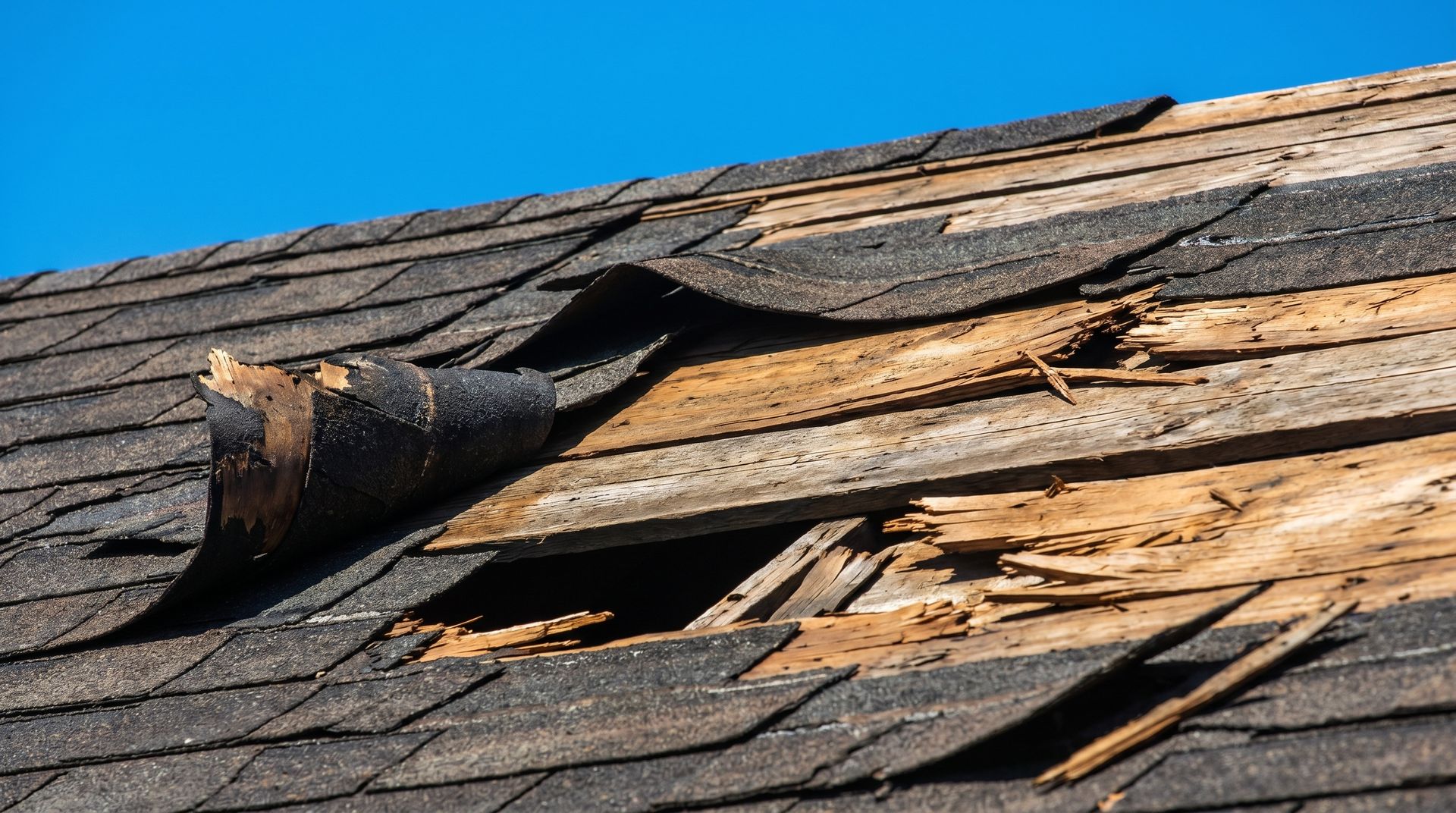
Residential and commercial roofing are distinct disciplines with very different demands. Residential roofing typically covers single-family homes, townhomes, and small multi-family properties, focusing on sloped roof systems designed to shed rain and withstand wind, hail, and the temperature swings Springfield sees across four full seasons.
Commercial roofing addresses flat or low-slope systems found on retail buildings, warehouses, office complexes, and large multi-unit properties. These projects involve larger surface areas, more complex drainage systems, and rooftop equipment like HVAC units that must be carefully worked around.
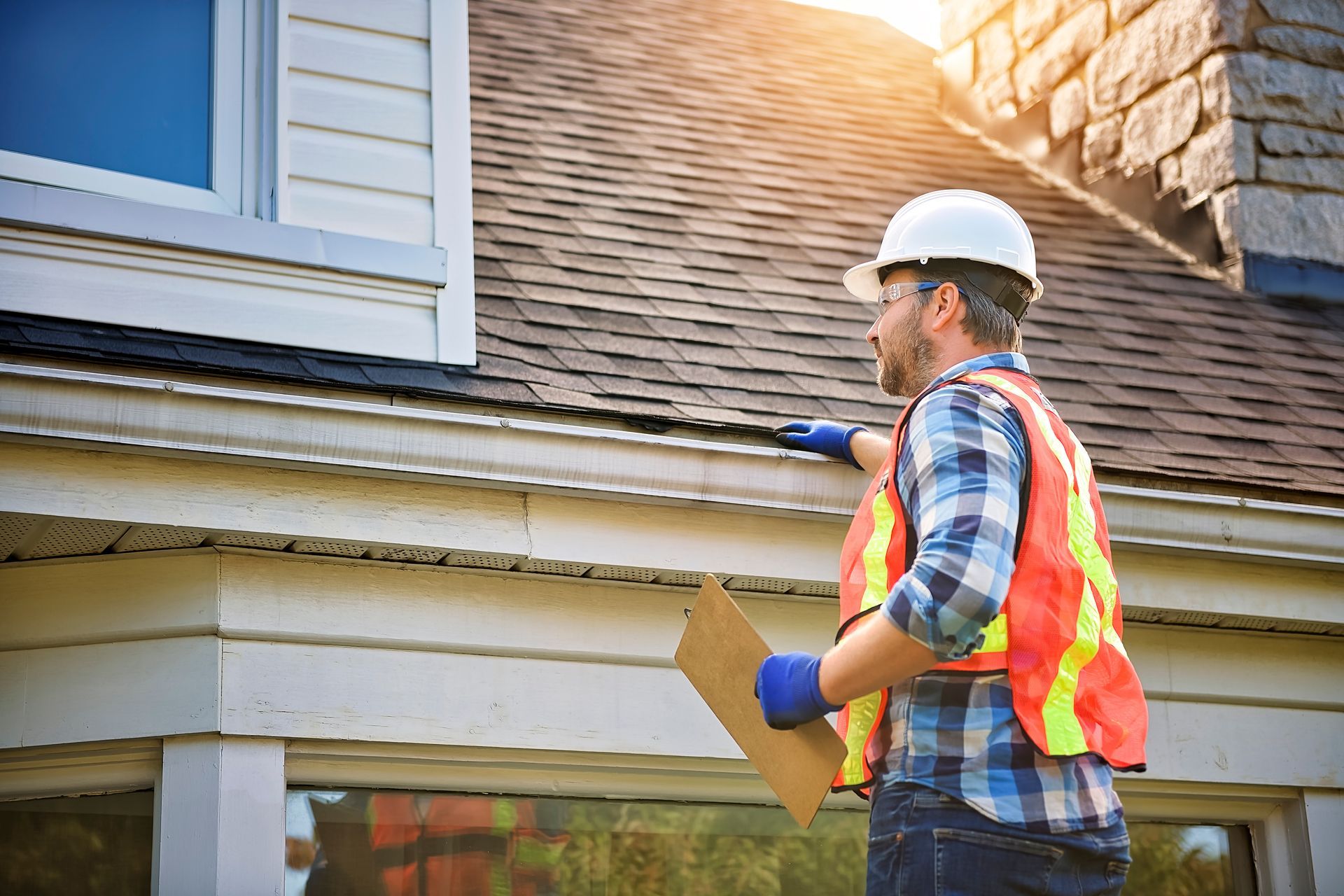
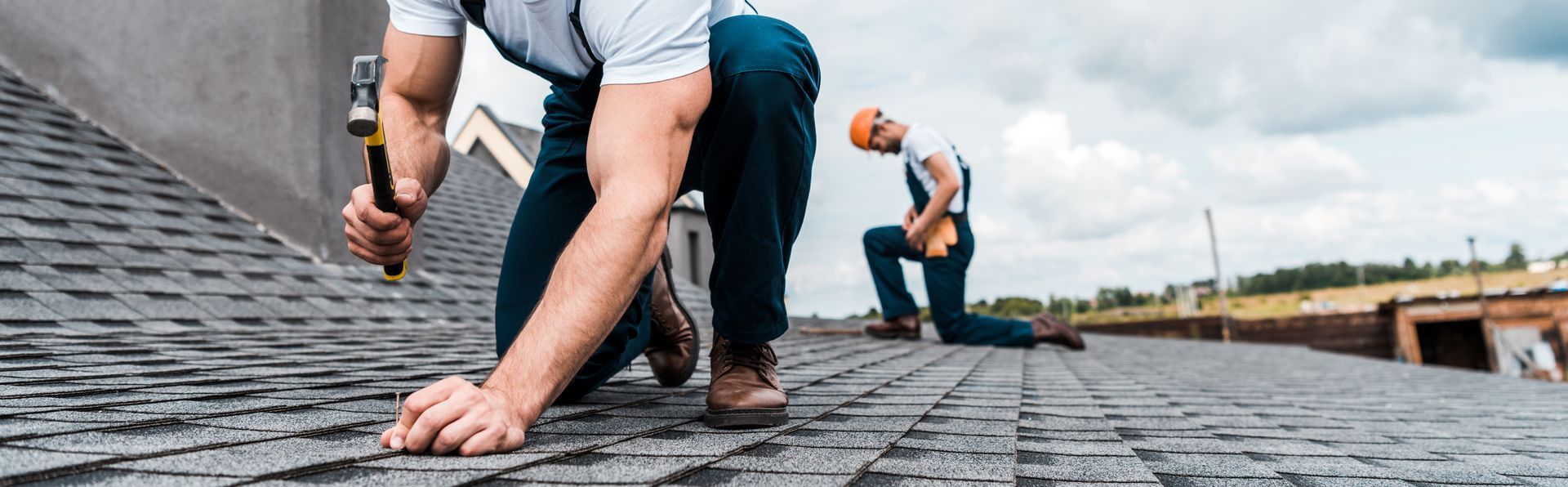
A residential roofing contractor in Springfield, MO, focuses on the materials, techniques, and code requirements that apply specifically to homes. That specialization matters when your roof is your family's primary protection. Homeowners who search for one often discover quickly that not every roofer in the area has the depth of experience that sloped residential systems require. They also perform a detailed roof takeoff, measuring slope, square footage, and material needs, before providing an accurate quote.
What Materials Does Each Contractor Type Work With?
Common Residential Roofing Materials
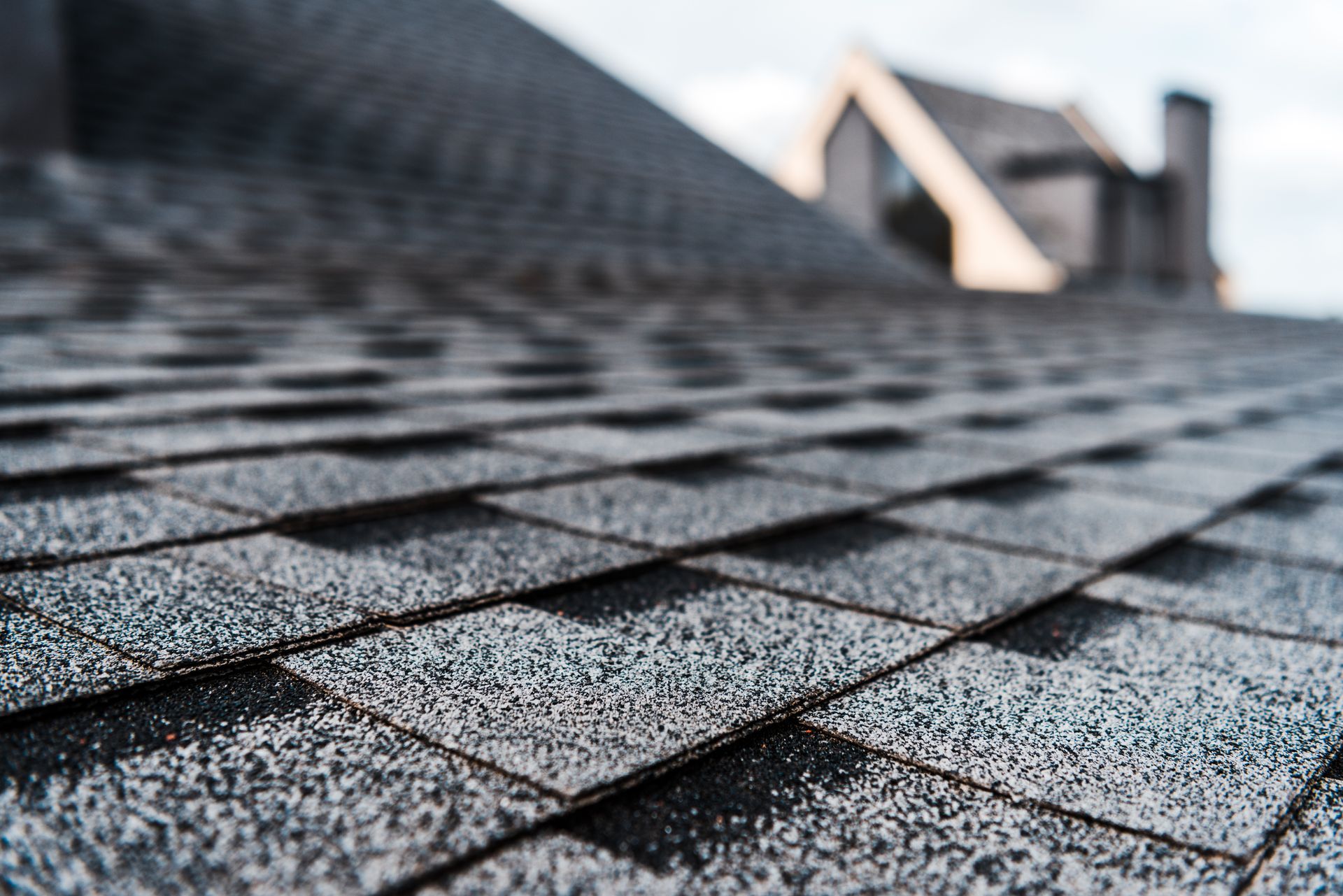
- Architectural asphalt shingles, the most widely used material for sloped roofs in the Springfield area.
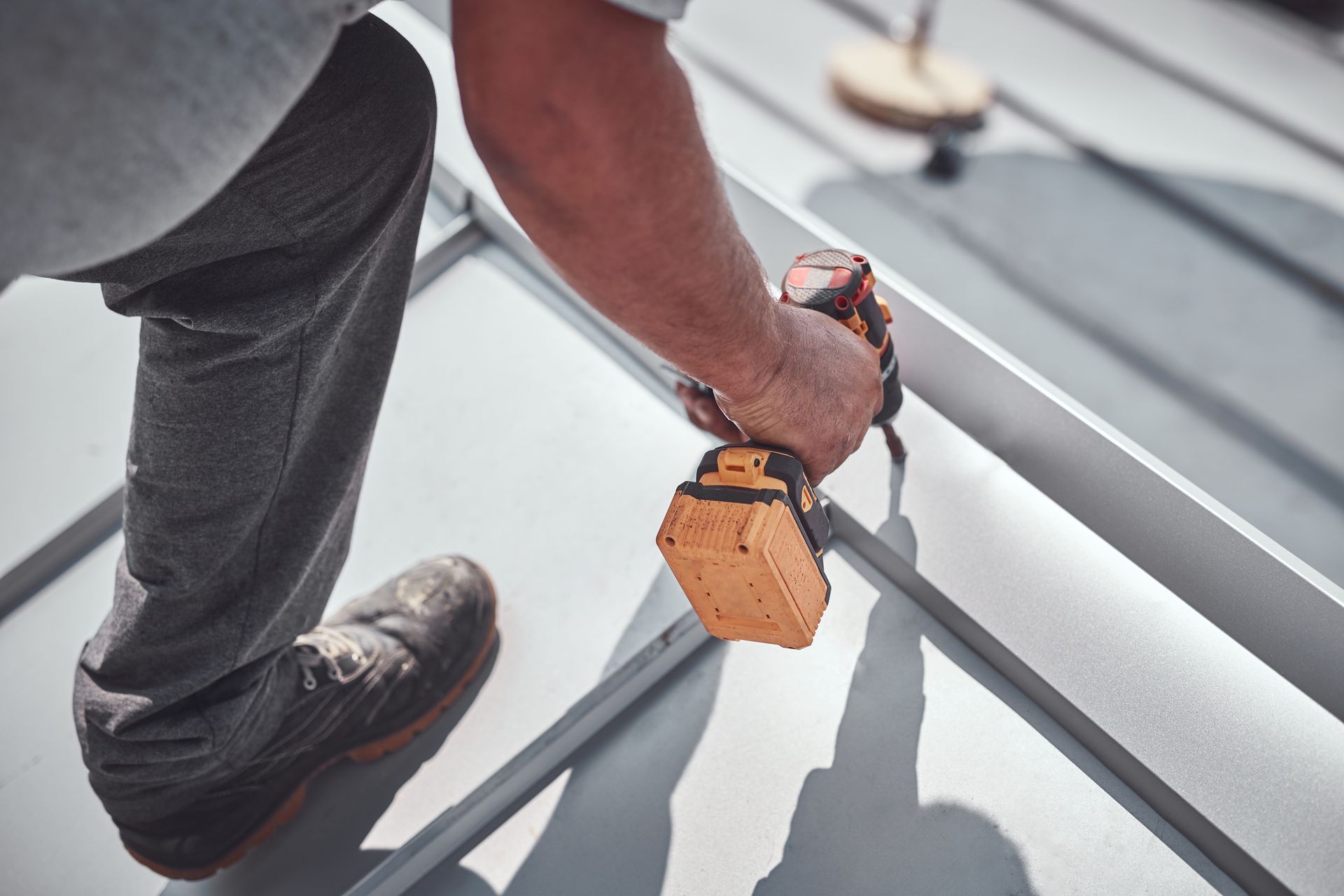
- Metal roofing panels and standing seam systems, which offer long-term durability and energy efficiency.
- Modified bitumen and self-adhering membrane systems for low-slope sections of residential roofs.
Common Commercial Roofing Materials
- TPO (thermoplastic polyolefin), a single-ply membrane well suited for flat commercial roofs.
- EPDM (ethylene propylene diene monomer), a rubber roofing membrane common on low-slope commercial buildings.
- Built-up roofing (BUR), which layers asphalt and reinforcing fabric for heavy-duty flat roof applications.
A contractor who primarily installs TPO on commercial buildings may lack experience with steep-slope residential techniques. Similarly, a residential specialist may not carry the equipment needed for a large flat commercial project. When material knowledge is this specific, working with a dedicated residential roofing contractor makes a clear difference in installation quality.
Licensing and Registration in Missouri
Missouri takes a local-first approach to contractor oversight. There is no singular statewide roofing contractor license, but as of January 1, 2023, all roofing contractors operating in Missouri must register with the Missouri Department of Commerce and Insurance under Senate Bill 326. Registration requires proof of liability insurance with coverage of at least $1,000,000.
Cities including Springfield require roofing contractors to obtain a local license or registration before pulling permits. Local programs typically separate residential contractor licenses, covering single-family and small multifamily construction, from commercial contractor licenses, covering commercial, industrial, and large multifamily projects. Always ask a contractor which category they are registered under before signing a contract.
Why Homeowners Benefit from Hiring a Residential Specialist
A residential roofing contractor focuses on the code requirements, material options, and installation techniques specific to homes. They tend to be more familiar with residential insurance claims, manufacturer warranty programs tied to shingle products, and the pitch-specific safety requirements of sloped roofs. Before work begins, they typically complete a thorough roof takeoff to confirm accurate material counts and avoid costly overages or shortages mid-project.
Springfield, MO, homes face a challenging weather environment. The Ozarks region sees severe thunderstorms, hail, and ice events that stress residential roof systems differently than the ponding water and UV exposure that strain commercial flat roofs. They understand how to select and install materials that handle those local conditions. You can explore available options on the
home roofing solutions page for more detail.
Homeowners in Ozark, Nixa, and Battlefield should also ask whether a contractor works primarily on homes or splits time between homes and large commercial jobs, as that affects mindset and tooling on any residential project.
Frequently Asked Questions
Can a Commercial Roofing Contractor Work on My Home?
A contractor with the appropriate registration may be permitted to work on both property types in Missouri. In practice, residential and commercial roofing require different skill sets, tools, and material knowledge, so hiring a residential roofing contractor tends to produce better results for homeowners.
What Should I Ask a Roofing Contractor Before Hiring?
Ask whether they are registered with the Missouri Department of Commerce and Insurance, whether they carry general liability and workers' compensation coverage, what residential projects they have completed locally, and whether their work qualifies for manufacturer warranties. References from homeowners in Springfield, Ozark, or Nixa are also helpful.
Does the Type of Contractor Affect My Roof Warranty?
It can. Many shingle manufacturers offer extended warranty coverage only when a certified residential contractor installs the product. A contractor who primarily does commercial work may not hold the residential certifications needed to unlock those warranty tiers.
Do I Need a Building Permit for a Residential Roof in Springfield, MO?
In most Missouri municipalities, roofing work above a minor repair threshold requires a building permit. The permit applicant is typically the licensed or registered contractor of record, so your contractor should handle the permit process on your behalf.